


Building Strong Before Growing Fast: Lessons on Financial Literacy at NOMURA
by Oshiya Waiva

As the final session of our EMPOWER journey approached, the atmosphere in the room felt different. There was a buzz of excitement and curiosity, especially when we heard the topic: money. Not just how to earn it, but how to understand it, manage it, and actually make it grow.
Walking into NOMURA Bank felt surreal. It’s the kind of place you imagine working in one day, not sitting in as a student learning about your own financial future. But this session wasn’t about careers or job titles. It was about taking ownership of our finances. It felt less like a workshop on investments and more like an introduction to financial confidence.
Hosted by Sheetal Sarup for EMPOWER by The Amber Foundation, the session focused on financial literacy. What stood out was that this wasn’t just about numbers or markets. It was about empowerment. One message resonated deeply with me: financial success doesn’t come from simply earning a salary. It comes from understanding how to grow, protect, and intentionally manage what you earn. Financial literacy is one of those tools that helps close the knowledge gap many of us didn’t even realise we had — the gap between earning money and truly building wealth. Sessions like this help close that gap. They remind us that getting into professional spaces is only the beginning. As Sheetal mentioned, it’s about understanding how to turn a paycheck into security, and that security into something that extends beyond our own individual success. It’s about building a foundation that lasts.
Lesson 1: The Quiet Power of Compound Interest

One of the most impactful activities during the session was a comparison between two hypothetical investors. It truly showed the power of compounding to life.
Investor A started investing at 30 and contributed for just 10 years, stopping at 40 and letting her money grow untouched until 65. Investor B began later, at 40, but invested consistently for 20 years until 60, withdrawing at 65.
Even though Investor A invested less money overall and for a shorter period, she ended up with more wealth. Why? Because of compound interest.
Despite investing less overall, the first investor ended up with more wealth.
That comparison made one thing clear: time is more powerful than timing. Compound interest rewards patience and early action. It completely changed how I think about “starting later when I earn more.” The real advantage isn’t necessarily investing large amounts, it’s starting early and staying consistent.
Lesson 2: Security Before Growth
Another powerful takeaway for me was the importance of building an emergency fund. I’ve always heard people say that you should invest as much as possible while you’re young, so I assumed that starting early meant focusing on growth straight away. But this session made me realise that stability has to come first.
Setting aside three to six months of living expenses isn’t just about being financially prepared. It brings peace of mind. It means you’re less likely to make rushed decisions, like selling investments at the wrong time. It gives you space to breathe when unexpected situations arise. Most importantly, it gives you a sense of control.
Sheetal spoke about the importance of having something to fall back on during unforeseen circumstances. Before thinking about returns or long-term gains, we need that sense of security. A financial safety net changes the way you approach everything else.
This shifted my mindset from “grow fast” to “build strong.”
Lesson 3: Risk Should Reflect You
We explored different investment options, from time deposits and bonds to equities, ETFs, gold, and even crypto. Each came with its own level of risk. What really stood out to me was that there isn’t one “best” investment that works for everyone.
Sheetal explained that investing decisions should depend on two key things: when you might need the money and how much risk you are genuinely comfortable taking. For example, if you know you won’t need a certain amount, say 20,000 HKD, within the next six months, placing it in a time deposit might make sense. But if you’re investing money you won’t need for ten years or more, then options like equities or bonds may be more suitable because they offer greater growth potential over time.

She also introduced ways to reduce risk through diversification, such as investing in mutual funds or ETFs. I found it interesting that ETFs themselves can vary widely. Some are industry-based, some country-based, and others track global markets. The idea is not just to invest, but to spread your risk thoughtfully while staying aligned with your own goals and comfort level.
This made me realise that investing isn’t about chasing trends or taking big risks blindly. It’s about making informed decisions that reflect your timeline, your responsibilities, and your personal tolerance for uncertainty. That perspective made the whole concept of investing feel much more intentional and less intimidating.
I walked into the session expecting to learn about money management. I left with a shift in perspective. Financial security no longer feels like something distant that begins once I start earning more. It starts now, with awareness and small intentional choices. The workshop made money feel less intimidating and more manageable. Instead of feeling uncertain about my financial future, I feel more prepared to take ownership of it.
I’m grateful to EMPOWER by The Amber Foundation for creating space for conversations that many of us may not have access to otherwise. These lessons go beyond theory; they shape how we approach our futures.
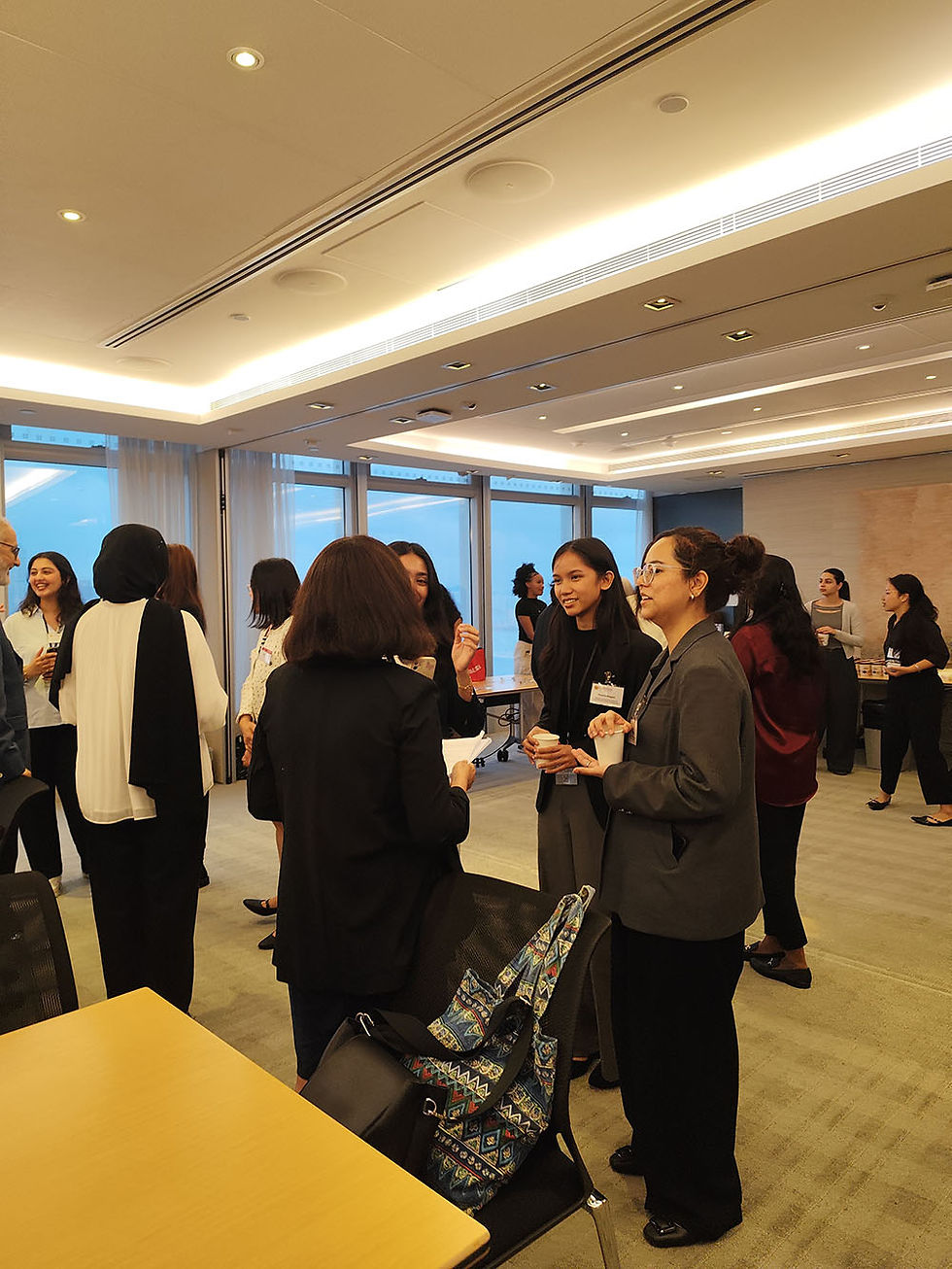
Thank you to Sheetal and the NOMURA team for sharing their insights so openly and practically. The session felt both empowering and reassuring.
As I look back on that final session, I realise it wasn’t just about financial literacy. It was about building confidence early. I now understand that starting early, building strong foundations, and making informed decisions matter more than chasing quick growth.
This experience reminded me that investing in knowledge is the first and most important investment of all.
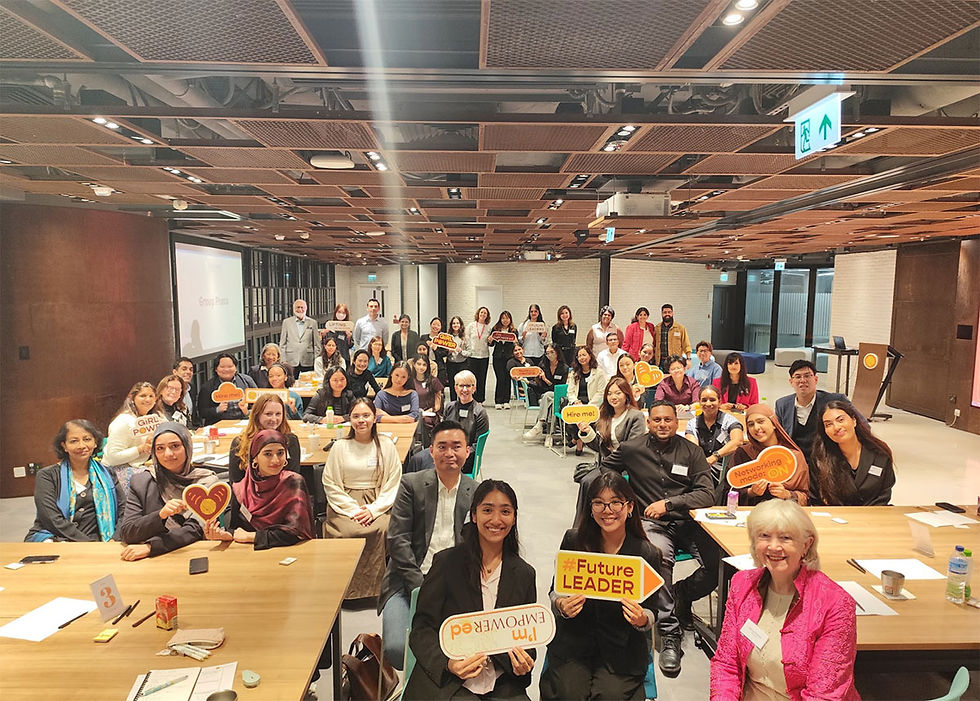


Comments